

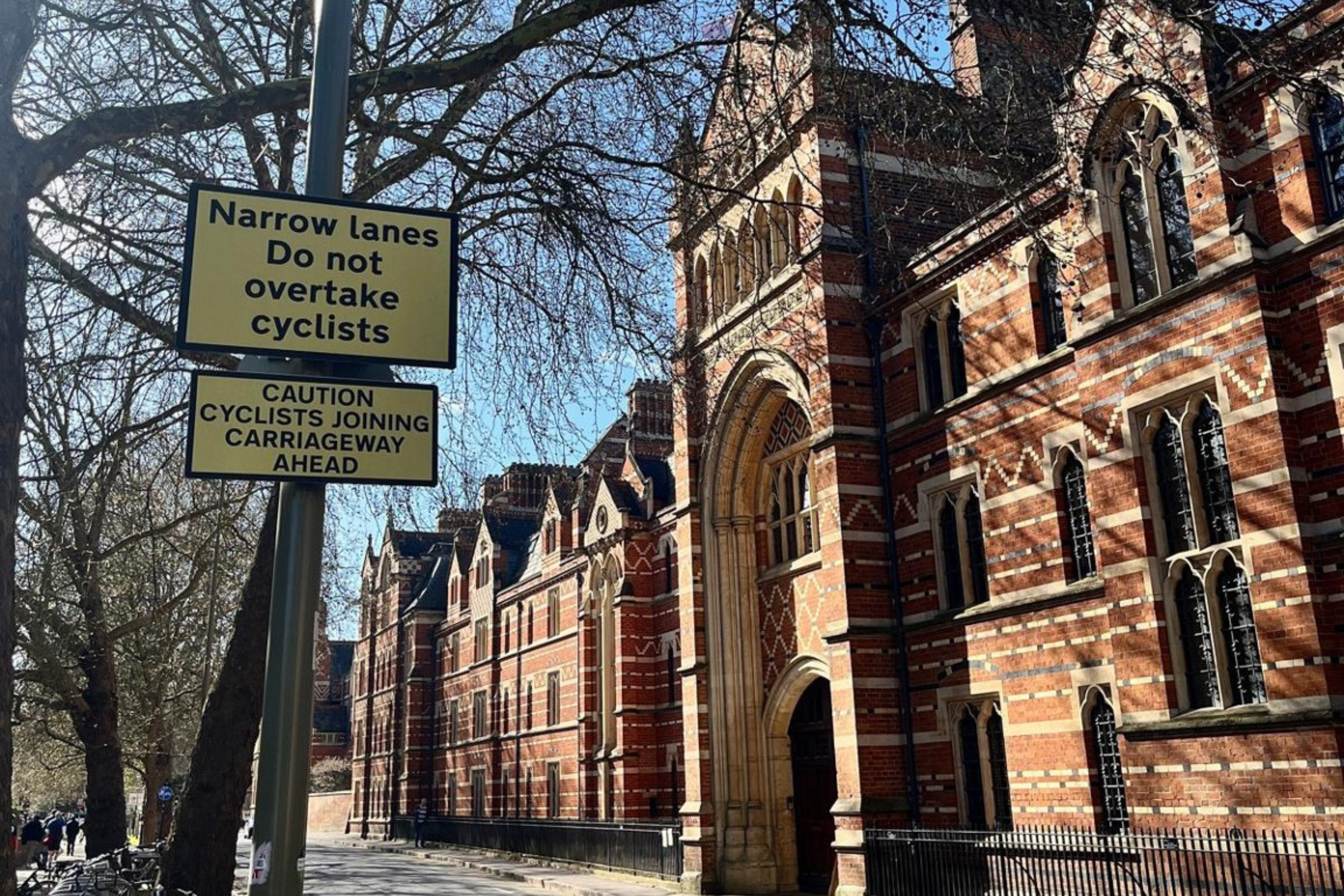
Roads, Buses and Backlash: The Politics of Transport in Oxford
In brief
Arwen Tarling, 1st Year Geography student and writer for the SoGE Student Writers Group, investigates the current transport policies in place in Oxford, including the new (and somewhat controversial) congestion charge. In this piece, she draws on transport and traffic data, public opinion surveys, local news reports, and interviews from academics at Oxford's Transport Studies Unit to draw conclusions on the state of our city's policies and suggests some possible paths forward.
Overview
Arwen Tarling, 1st Year Geography student and writer for the SoGE Student Writers Group, investigates the current transport policies in place in Oxford, including the new (and somewhat controversial) congestion charge. In this piece, she draws on transport and traffic data, public opinion surveys, local news reports, and interviews from academics at Oxford's Transport Studies Unit to draw conclusions on the state of our city's policies and suggests some possible paths forward.
Transport policy is rarely just about the transport. In Oxford, it has become a debate that features personal freedoms and fairness. In theory, sustainable transport networks work most effectively when culturally embedded into societal norms, competitively priced and integrated alongside each other. However, getting to this point is a long and politically polarising road.
The Congestion Charge controversy
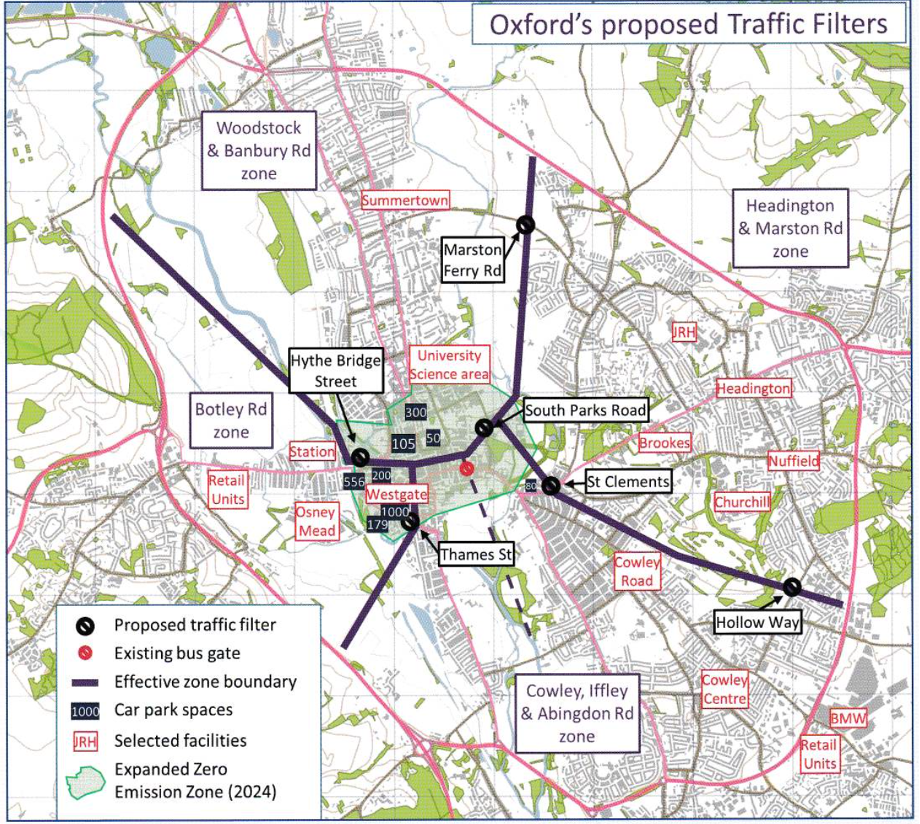
Oxfordshire County Council has, since November 2025, introduced a Congestion Charge which means drivers entering the inner city through six main routes (Hythe Bridge Street, St Cross Road, St Clement's Street, Thames Street, Marston Ferry Road and Hollow Way) are subject to a £5 charge per day. Many cities around the UK are beginning to adopt such schemes and each implementation immediately invites comparison to the established congestion and emission tolls in London. The theory of a congestion charge scheme is relatively simple; reduce the incentive for drivers to use cars for unnecessary personal journeys and push individuals towards greener alternatives, thereby creating a more sustainable and less polluted city. However, the implementation in Oxford has generated a range of responses. Unlike London’s zone-based system, Oxford’s charge occurs via checkpoints. This has been criticised as confusing; instead of dissuading traffic from the centre, drivers are able to re-route their journey to avoid the check-pointed roads, increasing mileage pollution. This clouds the objectives set out by the Council and has led some residents to label the scheme a 'cash cow'.
This backlash has been worsened by the timing of the scheme’s implementation. The Council had originally planned to implement traffic filters, but due to the ongoing works and closure of Botley Road, the charge checkpoints were introduced temporarily as an alternative. As a result, the scheme is viewed by some as rushed and improvised rather than strategically targeted. Furthermore, the number of exceptions permitted by the Council, for example, for HGVs, personal vans, Blue Badge holders or set numbers of ‘passes’ for residents has further complicated the message. If so many people are exempt, then whom is the scheme targeting and how effective can it truly be?
Small changes can make a big difference
It is important to recognise the wider ambitions and vision for Oxford. I sat down with Gordon Stokes, a researcher at the Oxford Transport Studies Unit, to discuss the congestion charge and its potential implications. He doesn’t believe the scheme is ‘money grabbing’ but rather a necessary step towards a safer and greener city. He draws particular attention to the major cultural shift required of Oxford residents as a result of the policy, highlighting how major changes to people’s everyday habits are never accepted overnight and tend to cause political sensitivity.
But it is possible to make smaller, more regular policy changes that are less immediately abrasive to local communities. Cities now heralded for their cycling cultures, like Amsterdam or Copenhagen, did not instantly transform into green leaders, but changed through repeated, small policy implementations over time. In contrast, Oxford is seemingly playing catch-up, introducing sweeping changes in short timeframes which become politicised and are worsened still by the current climate of economic hardship.
Restriction alone cannot succeed. Decreased dependence on cars must equal a new dependence on alternative transportation because people still need to move through towns and cities. To encourage this, the Council must make alternative forms of transport reliable, feasible and attractive. Oxford is already a cycling hub, with 35.1% of the population cycling at least once a week, however, comparison with similarly sized cities such as Cambridge (47.8% cycling population) reveals there is huge potential for further investment.
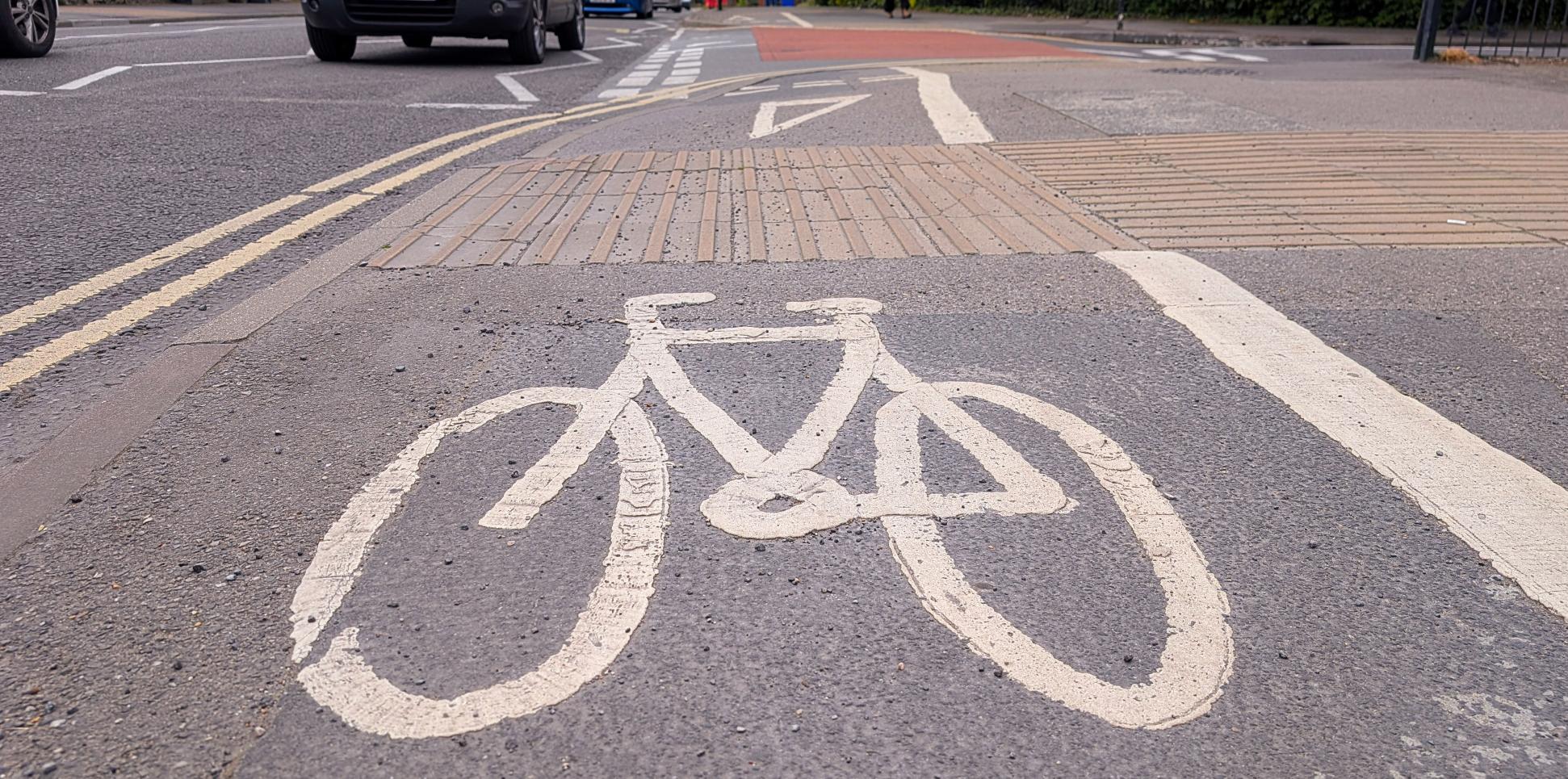
Oxford's quickway and quietway scheme, proposed by the County Council in 2022, aimed to create or enhance cycle paths to allow direct access into and out of the city centre. The proposed changes offered to close the investment gap and included a reduction in parked cars along cycle lanes, physical separation of cyclists from road traffic and increased visibility of pathways, especially at junctions. These changes matter because they encourage new and less confident riders, typically those who would otherwise be driving, to switch to bikes. Many residents and university students welcomed these changes, describing regular swerving around potholes, being forced into traffic and feeling anxious at intersection points. Since 2022, the Council has spent almost £4million on implementing the quickways and Low Traffic Neighbourhoods in Oxford. However, investment alone does not guarantee success. Stokes argues the most recent spending has been misplaced, prioritising already safe areas, such as the Woodstock and Banbury Roads, over other parts of the city in much greater need of investment. Therefore, the question is not whether Oxford supports cycling but rather who is supported. Oxfordshire County Council must make sure children, senior citizens and less experienced riders become more comfortable with cycling.
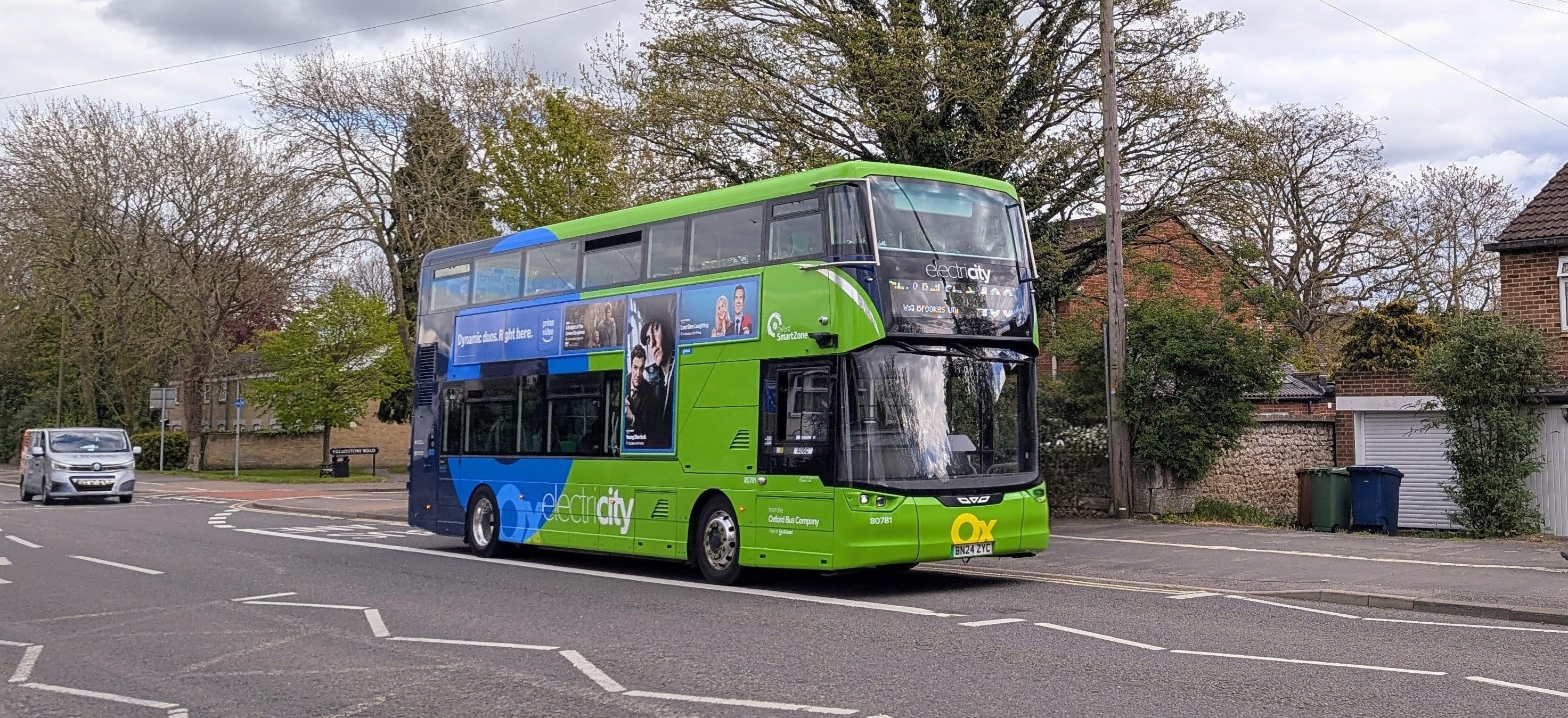
Oxford buses, by contrast, are subject to much less tension. Historically, Oxfordshire has always boasted a successful commercial bus network with its per capita usage significantly higher than most other English shires. Since the Congestion Charge, Park and Ride services have been made free (until the end of May 2026), and recent data indicates that bus use has increased by 8% compared with pre-Congestion Charge levels. This is positive because less cars on the roads means buses become faster and more reliable, encouraging people to switch to sustainable transport choices, but the politics of inequality become most apparent here too. Restricting car use is easy to defend when buses are frequent, reliable and affordable but when they are not, transport reform can feel like a personal punishment for those with the fewest options, likely those of lower socioeconomic standing. Therefore, the issue is not whether reducing car dependency is desirable, but how the burden of doing so is shared fairly. Green policy schemes must be grounded in legitimacy and must promote convenience for the many to be accepted and therefore effective within communities.
In brief
Arwen Tarling, 1st Year Geography student and writer for the SoGE Student Writers Group, investigates the current transport policies in place in Oxford, including the new (and somewhat controversial) congestion charge. In this piece, she draws on transport and traffic data, public opinion surveys, local news reports, and interviews from academics at Oxford's Transport Studies Unit to draw conclusions on the state of our city's policies and suggests some possible paths forward.