
How can running change personal and imaginative geographies of a place?
In brief
In this piece Josie Morgan, 1st Year Geography student and writer for the SoGE Student Writers Group, examines the ways running can change people's perceptions of and relationships with place, speaking from her own personal experiences and drawing on interviews with people running her local Parkrun in North Wales.
Overview
In this piece Josie Morgan, 1st Year Geography student and writer for the SoGE Student Writers Group, examines the ways running can change people's perceptions of and relationships with place, speaking from her own personal experiences and drawing on interviews with people running her local Parkrun in North Wales.
Running as more than just transport or exercise
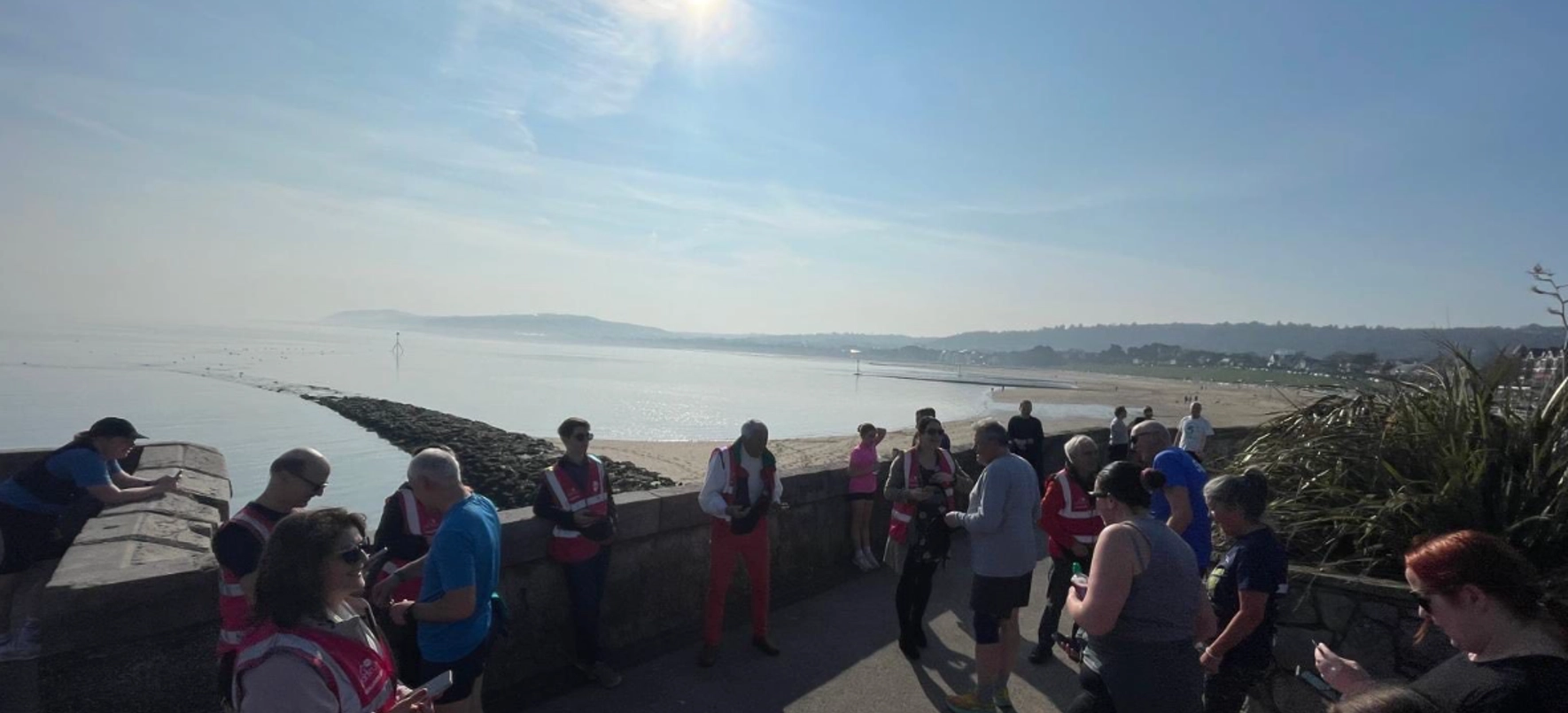
There is a uniqueness to running as a mode of transport. It invites alternative ways to experience places that other modes of transport might not offer. Travelling by car, for example, might cause us to miss minor features and nuances that we are able to pay greater attention to when running. While these can be experienced through walking, running allows us to focus on the experience of movement, rather than simply getting from A to B. It can also bring people together, often for the purpose of exercise, and the subsequent community interactions can have a significant influence on how places are perceived by people. I wanted to investigate these links in relation to my local Parkrun in north Wales. This particular Parkrun route only launched a few months ago and has since gained popularity beyond expectation. Noticeably, the run appears to be shaping the local area to some degree by uniting the community on a weekly basis.
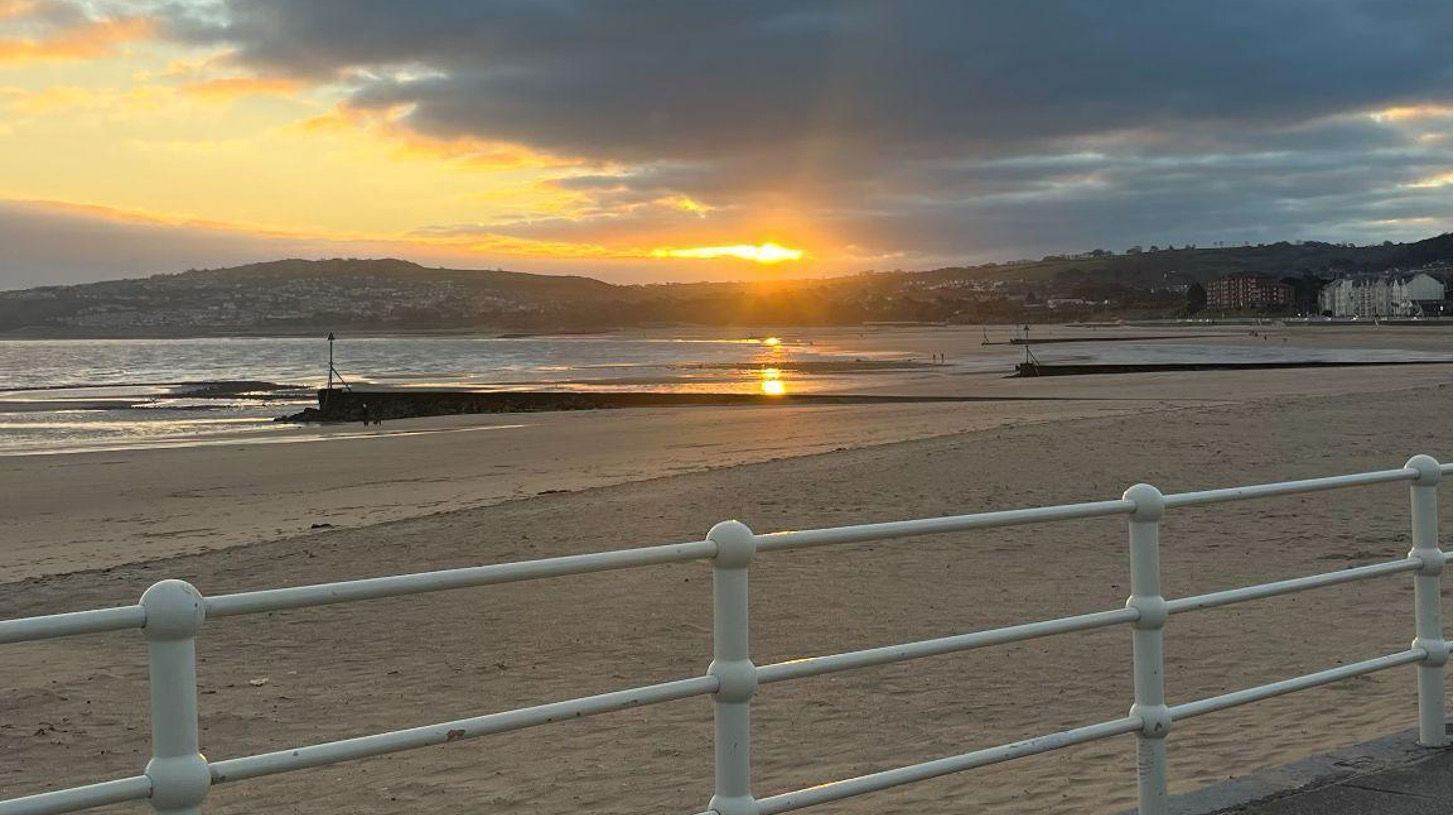
The first Y Promenȃd Parkrun event was held on November 29th, 2025. Now, over 5,000 runners have crossed its finish line, with individual events seeing up to 600 runners. The run’s route takes you along the promenade, from the seaside town of Rhos on Sea over to Colwyn Bay and back. The promenade is flat and fairly spacious – a great gradient for those striving to achieve a personal best time. I last ran the Parkrun on Christmas morning. The sun was just rising over the horizon, casting a radiance on every runner as we moved alongside the sandy beach, the crisp blue winter sea beyond. It is a peaceful area. The promenade is a short walk from my home, and running along it has always allowed me to tap into the gratitude I have for having grown up here.
These observations motivated me to gather more insight on the Parkrun and its effect on people. I interviewed one of the Parkrun’s run directors, Chris Spillane, to see what he had to say about it. An aspect of the Parkrun I had not been personally aware of was the want for it to be accessible. Chris told me about how his fellow run director Richard Peevor had pushed for those who perhaps wouldn’t normally run a Parkrun to be involved. This includes those who are wheelchair users and people who are visually impaired. There are three visually impaired runners who regularly attend the Y Promenȃd Parkrun. In Chris’s words, this makes the event mean “significantly more than just turning up at 5 to 9 and going for a jog and being back in the car for 9:30 or 9:45”. Parkrun is more than a run; it is an event that boosts access and inclusion for the entire community. It allows people opportunities to experience the area and community in ways that might not otherwise be possible.
The event also holds significant meaning for the local community. It encourages collective activity beyond the actual run, with people seeming to stay longer in the local area every week. These tend to be visitors who have come from further away and want to make more of a day of their run, but many locals will also linger after the race is over. Chris describes how “the whole place fizzes”, with runners, walkers, volunteers and spectators staying out to socialise and purchase refreshments from local coffee shops.
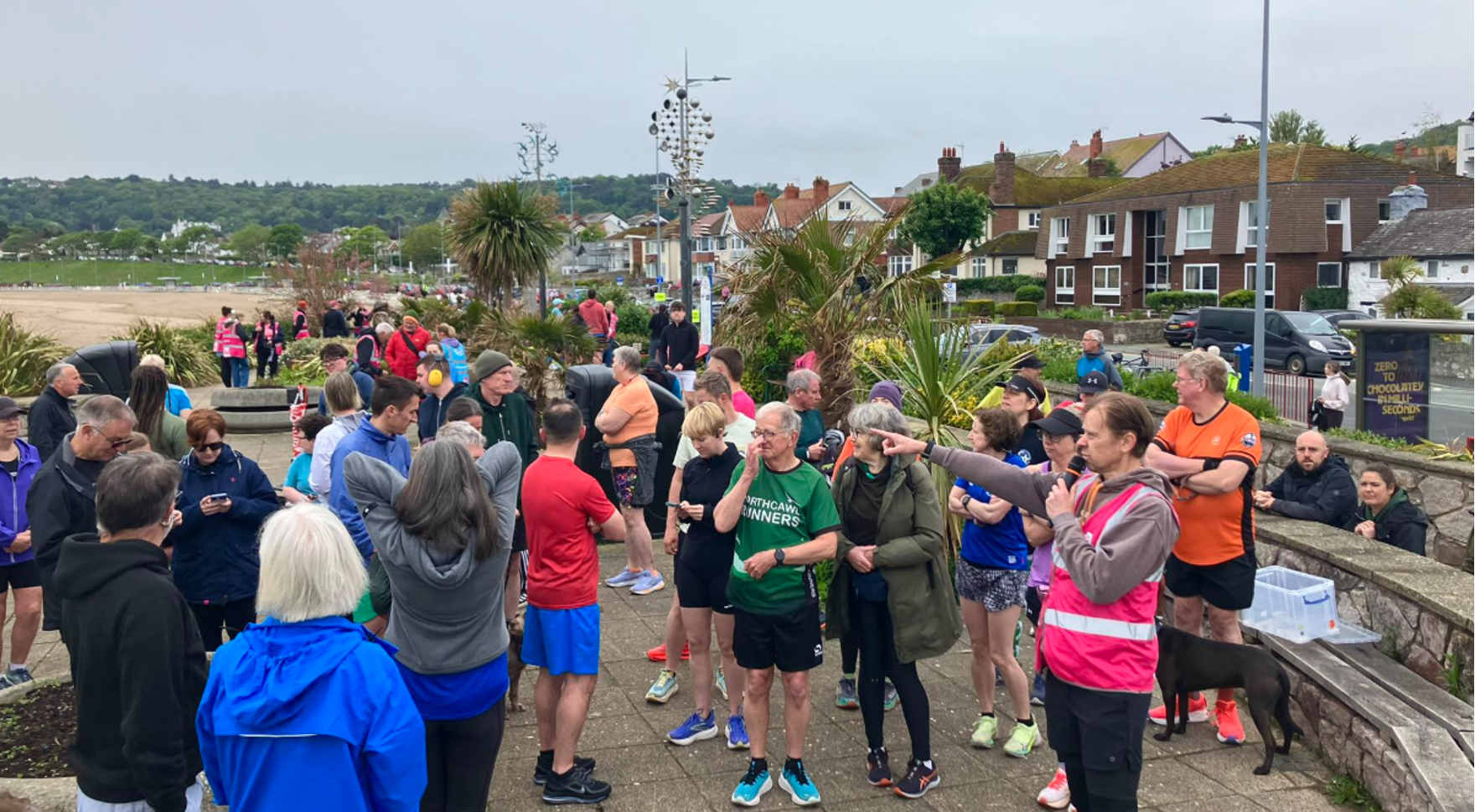
I asked people on the Parkrun to fill out a short survey on their feelings towards the event. Contrary to my expectations, the runners did not report any changes to their personal perceptions of the local area, but some of them did comment on the impact on the local community. One respondent claimed that the town "needed a boost", which it has "most definitely" received since more people have started spending in local business every Saturday morning. Another respondent commented on this “economic boost”. The benefits of running the Parkrun therefore stretch beyond the social.
In addition to the boosted community feel from running, the act of volunteering has also had a significant impact on the people involved. Chris describes how the volunteers become a “team of friends” who “regularly come back again and again to volunteer”. It seems that volunteering is no chore for those who partake. The rewards from seeing the positive impact on individual people and the community are great. They often exceed the expectations of those who sign up simply to do a good deed. It is evident that the Parkrun event is much more than just a run, and that running can be more than just exercise. Its power to unite a community of people, both locals and visitors, runners and volunteers, is clearly something to be celebrated and appreciated.
In brief
In this piece Josie Morgan, 1st Year Geography student and writer for the SoGE Student Writers Group, examines the ways running can change people's perceptions of and relationships with place, speaking from her own personal experiences and drawing on interviews with people running her local Parkrun in North Wales.